Human-First Content in 2026: The Post-AI Rebound – Why Authenticity Is the New Gold


Human-First Content in 2026 has become the fundamental pillar for brands seeking to reconnect with audiences saturated by artificial intelligence. In a world where AI has flooded the digital landscape with generic and predictable texts, authenticity emerges as the most valuable resource. This post-AI rebound is not just a passing trend; it is a natural response to automated content fatigue. Audiences demand genuine experiences, human voices, and narratives that resonate on an emotional level. In this article, we will explore how Human-First Content in 2026 redefines content marketing, highlighting its evolution, practical strategies, and inspiring examples.
What is Human-First Content in 2026? (Differences from pure AI)
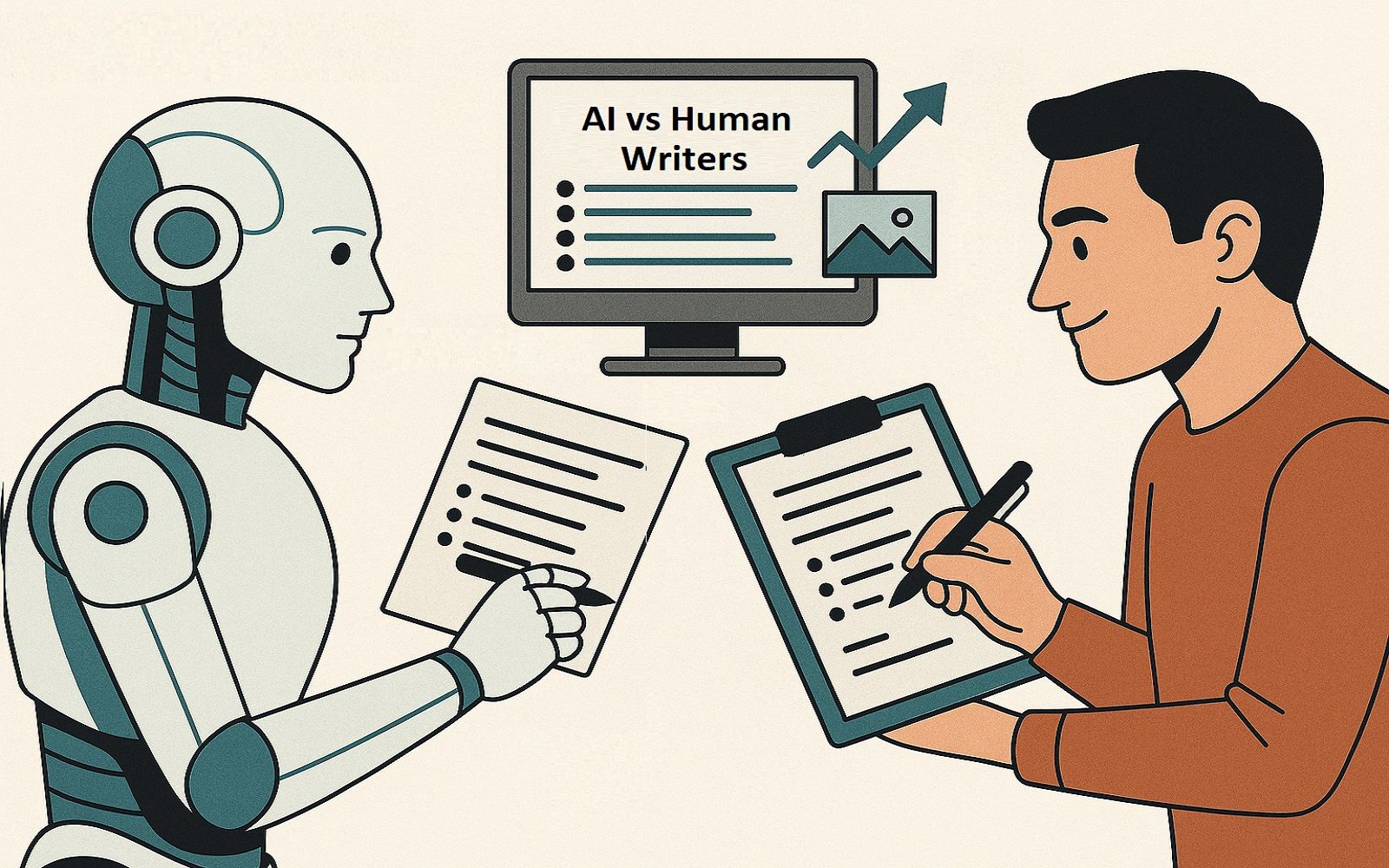
Human-First Content in 2026 prioritizes the human perspective over algorithmic efficiency. Unlike pure AI-generated content, which often results in repetitive texts lacking emotional depth, human-first focuses on real experience, empathy, and originality. For example, while AI can produce an SEO-optimized article in seconds, it lacks personal anecdotes or unique insights that only a human can provide.
In 2026, with algorithm updates penalizing “AI slop” – mass-produced superficial content, brands adopting human-first content see improvements in engagement and loyalty.
The main difference lies in authenticity. Pure AI content is efficient but impersonal, optimizing keywords without capturing cultural or emotional nuances. In contrast, human-first content integrates data with lived stories, fostering lasting connections. Experts note that this approach not only improves search rankings but also reduces bounce rates by 30% by offering genuine value.
In essence, while AI accelerates production, human-first ensures the message resonates like a real conversation, not a robotic script.
Evolution of E-E-A-T: What Changed with the February 2026 Updates
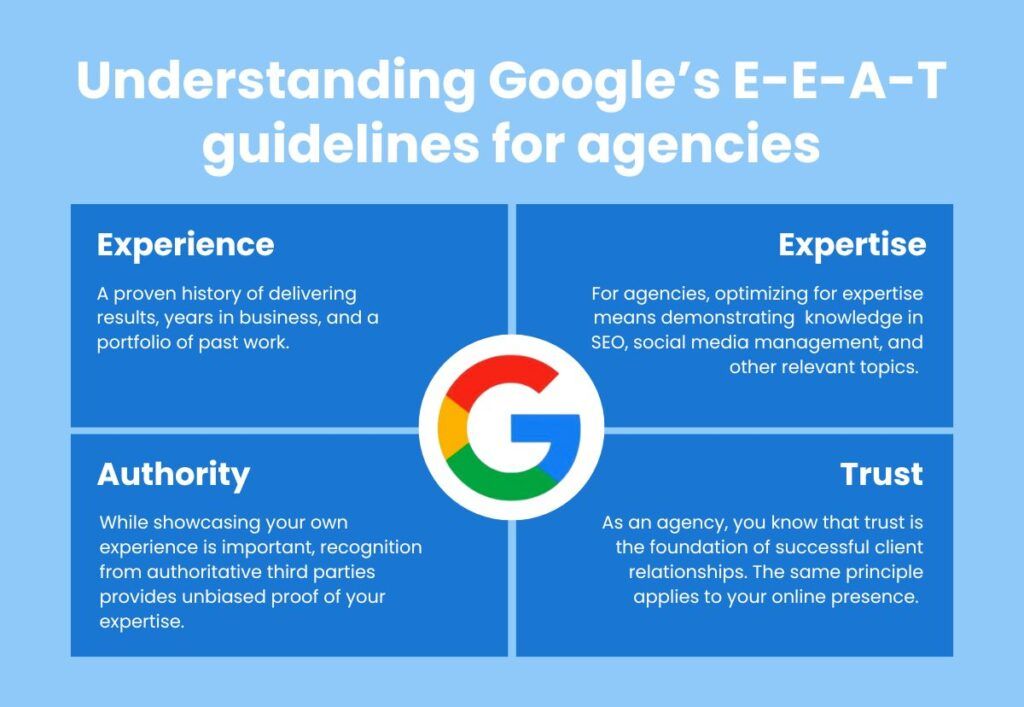
La evolución de E-E-A-T (Experience, Expertise, Authoritativeness, Trustworthiness) en contenido human-first en 2026 ha sido marcada por las actualizaciones de Google en febrero. Con el lanzamiento del February 2026 Discover Core Update, Google reforzó el énfasis en la «Experience» como elemento clave, añadiendo un «extra E» para destacar la importancia de la vivencia personal en el contenido. Esta actualización, que comenzó el 5 de febrero y se extendió durante semanas, prioriza contenido con credenciales humanas reales, reduciendo la visibilidad de material clickbait o generado por IA sin supervisión.
Antes de 2026, E-A-T se centraba en expertise y autoridad, pero las actualizaciones de febrero integraron métricas más estrictas para «Trust», evaluando la credibilidad a través de reseñas, bios de autores y fuentes verificables. Para el contenido human-first en 2026, esto significa que las marcas deben demostrar experiencia vivida, como case studies con datos reales, para evitar penalizaciones. La volatilidad en rankings post-update mostró que sitios con fuerte E-E-A-T resistieron mejor, mientras que aquellos con contenido automatizado sufrieron caídas. En resumen, estas cambios elevan la autenticidad como factor decisivo, alineándose perfectamente con el contenido human-first en 2026.
8–10 Practical Strategies for Human-First Content in 2026
Implementing human-first content in 2026 requires strategies that balance scale and genuineness. Here are 9 practical approaches:
Personal storytelling: Integrate real anecdotes from your team. For example, a blog about challenges overcome humanizes the brand and boosts engagement by 40%.
Real case studies: Use verifiable client data. Avoid generalizations; focus on specific results to build trust.
Strong author bios: Include detailed profiles with credentials and photos. This reinforces “Expertise” in E-E-A-T.
Original multimedia: Create videos or podcasts with authentic content. Human-first content in 2026 shines when it shows real faces behind the brand.
Community building: Foster interactions on social media. Respond personally to comments to create loyalty.
Human collaborations: Invite influencers or experts to co-create. This adds diversity and authenticity.
Feedback-based personalization: Use surveys to adapt content, ensuring emotional relevance.
Human editing of AI: Employ AI tools for drafts, but review with editors to maintain a unique voice.
Transparency in processes: Reveal how content is created, highlighting the human role to build trust.
These strategies not only optimize for human-first content in 2026 but also improve metrics such as time on page and conversions.
Real Brand Examples Doing Human-First Content Well
Several brands exemplify the success of human-first content in 2026. Innocent Drinks stands out with its playful and human tone in seasonal campaigns, using copy that sounds like a friendly chat. Slack integrates practical narratives that solve real problems, combining utility with empathy to reduce overload.
Dove continues its legacy with “real beauty” campaigns, reformulating products to align with inclusive values. Airbnb refreshed its identity in 2025 with warm tones and organic shapes, emphasizing global connections. Duolingo energizes its brand with motion graphics that make the owl a relatable character. Lush demonstrates activism by closing stores for humanitarian causes, prioritizing ethics over sales.
These brands illustrate how human-first content in 2026 drives loyalty, differentiating themselves in a sea of AI.
Tools to create human content at scale (without losing authenticity)
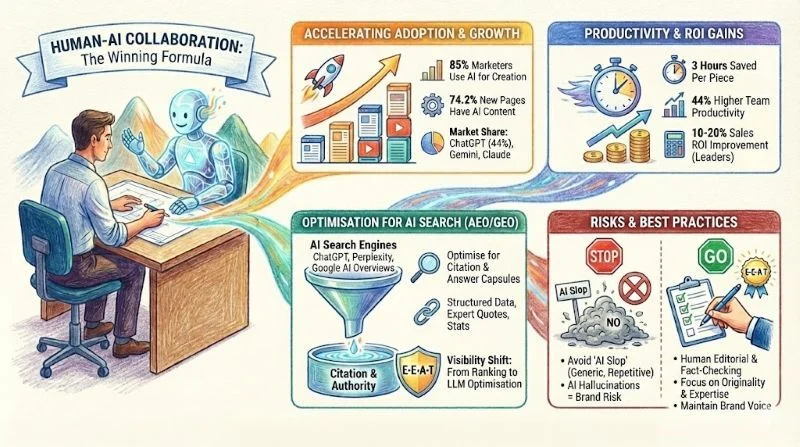
Creating human-first content at scale in 2026 is possible with tools that support, not replace, human creativity. Jasper.ai allows large operations to be managed while maintaining brand voice through Brand IQ. ChatGPT and Claude are ideal for long drafts, but with human review for authenticity.
Descript, Recast Studio, and Lumen5 transform webinars into short videos, preserving the human essence. Aprimo integrates AI into workflows with expert reviews for safe content. Pressmaster.ai scales while preserving a unique identity. Averi amplifies creative strategy without burning out teams.
These tools facilitate human-first content in 2026, combining efficiency with a personal touch.
Combine human + AI intelligently
In summary, human-first content in 2026 represents the perfect balance between innovation and humanity. Combining human + AI intelligently allows scaling without losing authenticity, as demonstrated by the E-E-A-T updates and leading brands. Adopt these practices for a future where authenticity is your greatest advantage.
Share on
Recent Articles




Categories
Tags
2025 artificial intelligence create website custom website cybersecurity design digital guide digital marketing download WordPress free VPN for PC hostgar hostgar vpn Hosting ia marketing marketing campaigns monetizacion security 2025 social media telefonia voip voip vpn vpn for pc web design web design 2026 wordpress

