Hosting 2026: Infraestructura revolucionaria de próxima generación
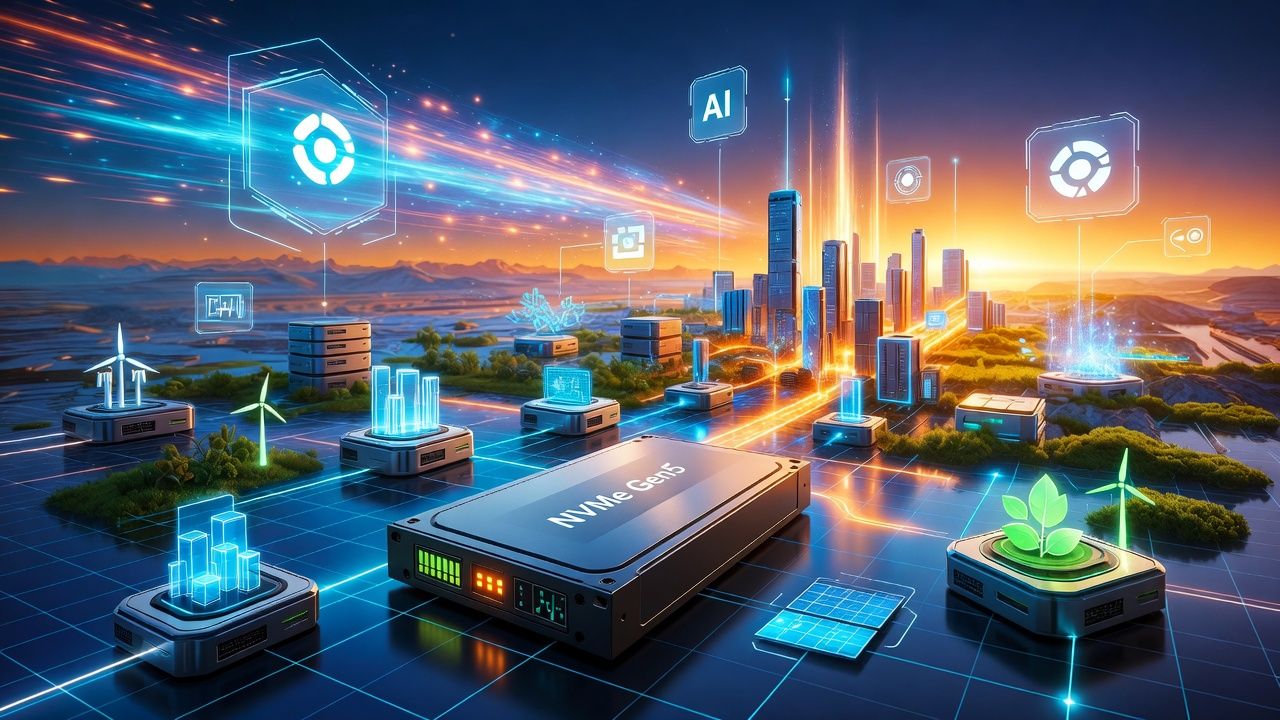

Hosting 2026 ha dejado de ser simplemente espacio servidor simple y se ha convertido en un ecosistema inteligente de seguridad, velocidad y sostenibilidad. En 2026, la diferencia entre alojamiento estándar y alojamiento premium se encuentra en inteligente latencia y la capacidad de anticipar las necesidades en tiempo real. Con el mercado global de servicios de hosting 149,30 millones de dólares este año (según las proyecciones de Fortune Business Insights), Los proveedores ya no compiten sólo en el precio o almacenamiento: infraestructura de próxima generación prioriza el rendimiento de vanguardia, la IA proactiva y la eficiencia energética para apoyar cargas de trabajo intensivas como AI, comercio electrónico dinámico y aplicaciones en tiempo real.
El fin de la SSD tradicional: Bienvenido a NVMe Gen5 y Más Allá
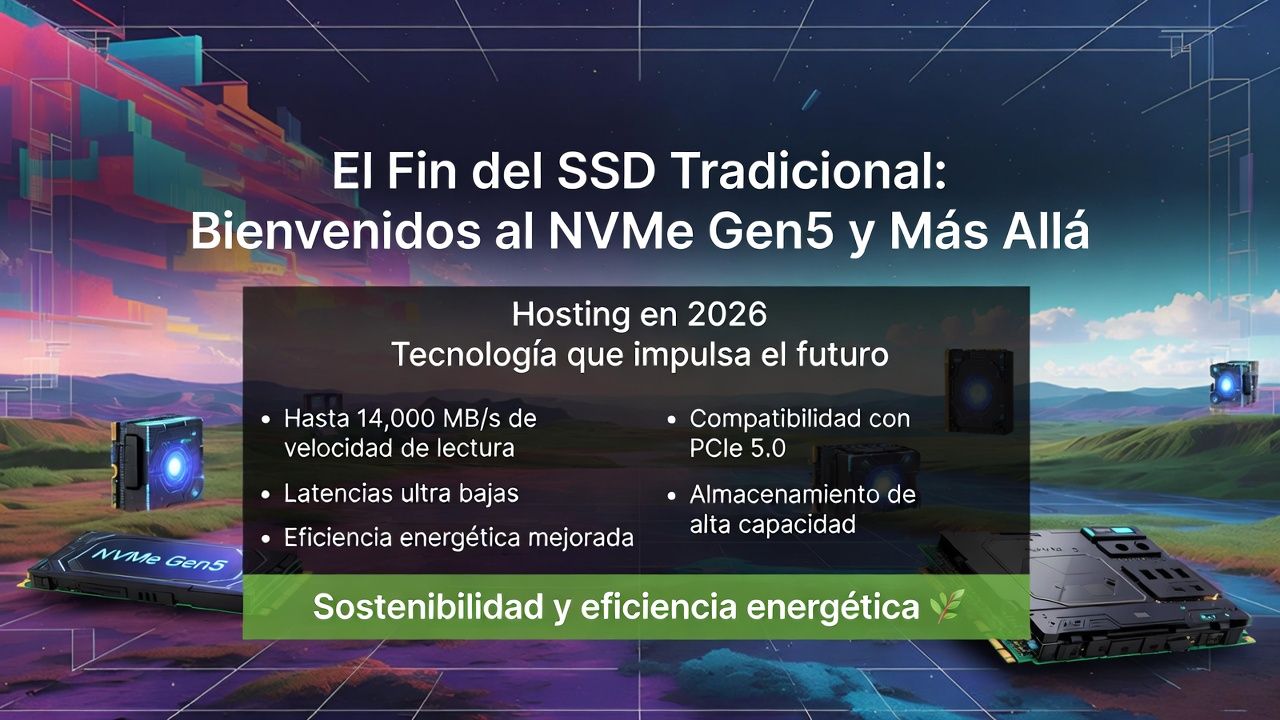
La era de SSD SATA y PCIe Gen4 ha terminado. En 2026, la adopción masiva de NVMe PCIe Gen5 (y en algunos casos emergentes Gen6) representa un salto exponencial en velocidad de lectura/escritura. Estas unidades alcanzan hasta 16 GB/s en configuraciones x4, permitiendo bases de datos complejas — como plataformas de comercio electrónico con millones de productos o sistemas AI — para cargar en menos 0,5 segundos ( e incluso sub-100 ms en entornos optimizados).
Proveedores como OVHcloud, Hostinger y SSD Nodes ofrecer VPS y servidores dedicados con NVMe Gen5 como estándar, integrando los últimos Procesadores Intel Xeon o AMD EPYC. Para la carga de trabajo de AI/GPU, esta tecnología evita los cuellos de botella: los datos se introducen directamente en Memoria HBM sin demoras, ancho de banda saturante y maximizando el uso de GPUs costosos como la NVIDIA H100.
Esta transición no sólo acelera el rendimiento; reduce el consumo de energía por operación y mejora la fiabilidad en ambientes de alta demanda. En 2026, elegir alojamiento sin NVMe Gen5 es equivalente a competir con un motor obsoleto.
Computación de bordes: democratización y dominación

Plataformas como Cloudflare han democratizado el borde computing hasta el punto donde ya no es un "premio extra", sino la arquitectura predeterminada. Con más que 310 puntos globales de presencia (PoPs) en 2026, Cloudflare ejecuta código y contenido dinámico al borde de la red, reduciendo la latencia a sub-50 ms incluso en regiones remotas.
El cambio de "origin-first" to "edge‐first" es clave: herramientas como Optimización de Plataforma Automática Cloudflare (APO) para WordPress entregar HTML dinámico directamente desde el borde, incluyendo consultas personalizadas de contenido y bases de datos. Esto beneficia especialmente a los sitios con tráfico global, PWAs y aplicaciones sin servidor.
Otros jugadores como Vercel y Netlify han cerrado la brecha con sus propias redes de borde, pero Cloudflare conduce en escala y el frío mínimo comienza gracias a su Arquitectura de aislato V8. En 2026, la computación de bordes no sólo mejora la velocidad; reduce el tráfico al origen (gastos de ahorro y emisiones) y permite Inferencia AI en el borde para decisiones en tiempo real sin confiar en las nubes centrales.
Seguridad Proactiva con AI: De Reactivo a Autónomo

DDoS attacks, inyecciones de malware y bots sofisticados ya no esperan ser detectados manualmente. En 2026, La seguridad proactiva con AI es la norma: firewalls de servidor y WAFs aprenden patrones de tráfico normales y bloquean amenazas antes de que impacten.
Empresas como Raiola Networks, SiteGround, Radware y Cloudflare integrar la IA para el análisis conductual en tiempo real: detectan anomalías sutiles, reducen falsos positivos y mitiguen automáticamente ataques multi-vector (incluyendo L7 DDoS que imitan tráfico legítimo). Plataformas como AppTrana o DefensePro X use machine learning to adapt dynamically, blocking suspicious IPs, URIs, or gegraphies without human intervention.
La integración de La mitigación impulsada por la AI es especialmente crítica in the face of the rise of “DDoS‑as‑a‑Service” and AI‑powered attacks. Premium providers offer 24/7 monitoring, automatic mitigation, and zero‑trust at the hosting level, complying with regulations such as GDPR and new digital sovereignty standards.
Sustainability and Other Key Infrastructure Trends
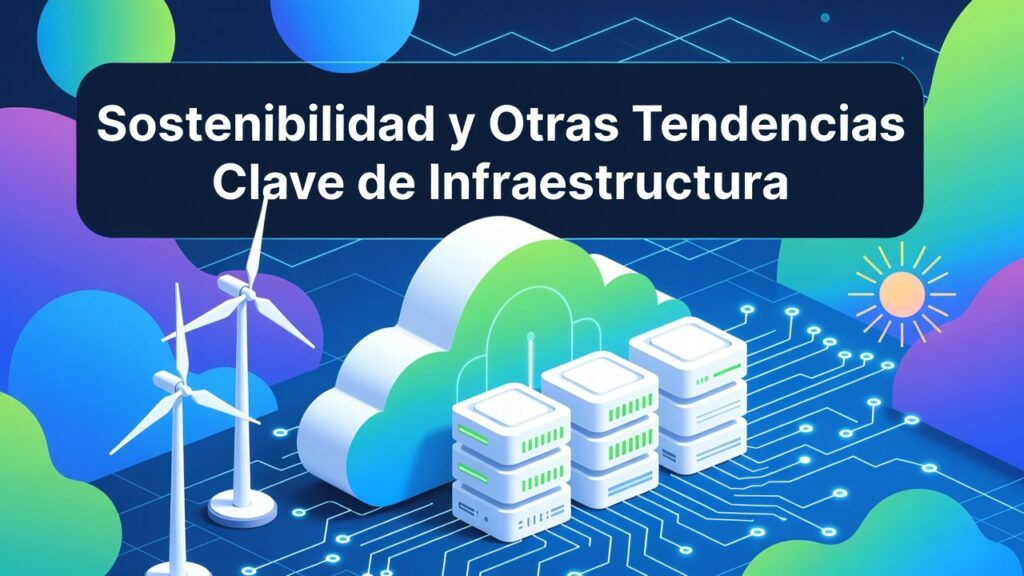
“Green hosting” is no longer optional: with data centers consuming up to 2–3% of global energy, providers compete with renewable energy, liquid cooling, and integrated carbon metrics. In the EU, strict emissions reporting drives massive adoption.
Other evolutions include:
Cloud‑native and serverless as the default for elastic scalability.
Multi‑cloud/hybrid to avoid vendor lock‑in.
AI‑optimized hosting with GPU‑dense setups for inference and training.
Embedded regulatory compliance (data sovereignty, automatic compliance).
In summary, hosting infrastructure in 2026 is a proactive, edge‑centered, and sustainable ecosystem. Smart latency — combining NVMe Gen5, edge computing, and autonomous AI — defines success: faster, safer, and greener sites generate higher engagement, conversions, and loyalty. Providers that fail to evolve toward this next generation will become obsolete in a market where speed and resilience are the currency.
Share on
Artículos recientes




Categorías
Etiquetas
2025 inteligencia artificial crear sitio web sitio web personalizado ciberseguridad diseño guía digital marketing digital descargar WordPress VPN gratis para PC hostgar hostgar vpn Hosting ia marketing Campañas de marketing monetizacion seguridad 2025 redes sociales telefonia voip voip vpn vpn para pc diseño web diseño web 2026 wordpress

